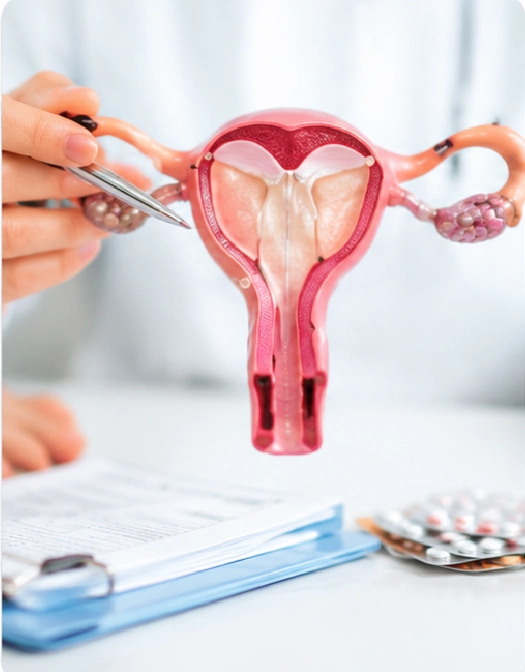
Polycystic Ovary Syndrome (PCOS) is one of the most common hormonal conditions affecting women of reproductive age. It occurs when the ovaries produce an imbalance of hormones, leading to irregular menstrual cycles, ovarian cysts, and difficulties with ovulation. While PCOS cannot be completely cured, it can be effectively managed with the right treatment and lifestyle changes.
Common symptoms of PCOS include irregular or missed periods, excessive facial or body hair growth, acne, weight gain, thinning hair, and difficulty conceiving. Some women may also experience insulin resistance, increasing the risk of developing type 2 diabetes and other metabolic conditions.
Maintaining a healthy lifestyle plays a key role in managing PCOS. Eating a balanced diet rich in whole grains, fruits, vegetables, lean proteins, and healthy fats can help regulate blood sugar levels and support hormone balance. Regular physical activity and maintaining a healthy weight can also improve symptoms and increase fertility.
Medical treatment may include hormonal medications to regulate menstrual cycles, medicines to improve insulin sensitivity, and fertility treatments for women planning pregnancy. Your gynecologist will recommend the most suitable treatment based on your symptoms and health goals.
Regular health check-ups are important to monitor hormone levels and reduce the risk of long-term complications such as diabetes, high blood pressure, and heart disease.
With early diagnosis, proper medical guidance, and healthy lifestyle habits, most women with PCOS can successfully manage their symptoms, improve their quality of life, and achieve a healthy pregnancy when desired.