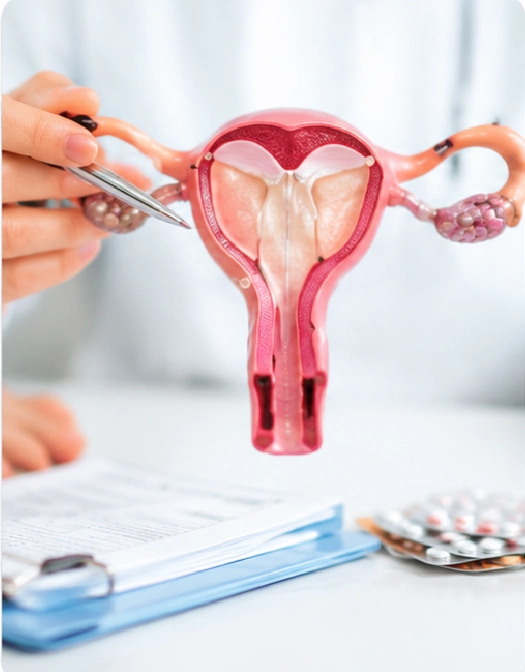
Menopause is a natural biological process that usually occurs between the ages of 45 and 55, marking the end of a woman's reproductive years. It is officially diagnosed after 12 consecutive months without a menstrual period. During this phase, the body's production of estrogen and progesterone gradually decreases, leading to various physical and emotional changes.
Common symptoms of menopause include hot flashes, night sweats, irregular periods, mood swings, sleep disturbances, vaginal dryness, reduced energy levels, and changes in weight. Some women may also experience difficulty concentrating, anxiety, or decreased bone density due to hormonal changes.
Managing menopause begins with adopting a healthy lifestyle. Eating a balanced diet rich in calcium, vitamin D, fruits, vegetables, and whole grains helps support bone and heart health. Regular exercise, adequate sleep, stress management, and staying hydrated can significantly reduce menopause-related discomfort.
Depending on the severity of symptoms, your gynecologist may recommend treatments such as Hormone Replacement Therapy (HRT), non-hormonal medications, vaginal estrogen therapy, or dietary supplements. The most suitable treatment depends on your medical history, symptoms, and overall health.
Regular health check-ups are essential during and after menopause to monitor bone health, cardiovascular health, and overall well-being. Screening tests such as bone density scans, breast examinations, and routine gynecological check-ups can help detect potential health issues early.
Menopause is a natural transition—not a disease. With proper medical guidance, healthy lifestyle choices, and emotional support, women can successfully manage symptoms, stay active, and continue to enjoy a healthy and fulfilling life.